


 Deutsch
 English
 Español
 Français
 Nederlands
 Português


 Share
Share




What Happened on July 14, 2026?
On July 14, 2026, exactly ten days after the United States celebrated the 250th anniversary of its independence, President Kamala Harris (sitting president in 2026, assuming re-election) announced a sweeping new foreign policy doctrine known as the "July 14 Declaration." The declaration redefines America's role in global conflicts, emphasizing diplomatic engagement over military intervention, while reaffirming commitments to NATO and Pacific allies. This pivotal moment marks a shift from the interventionist policies of previous administrations.
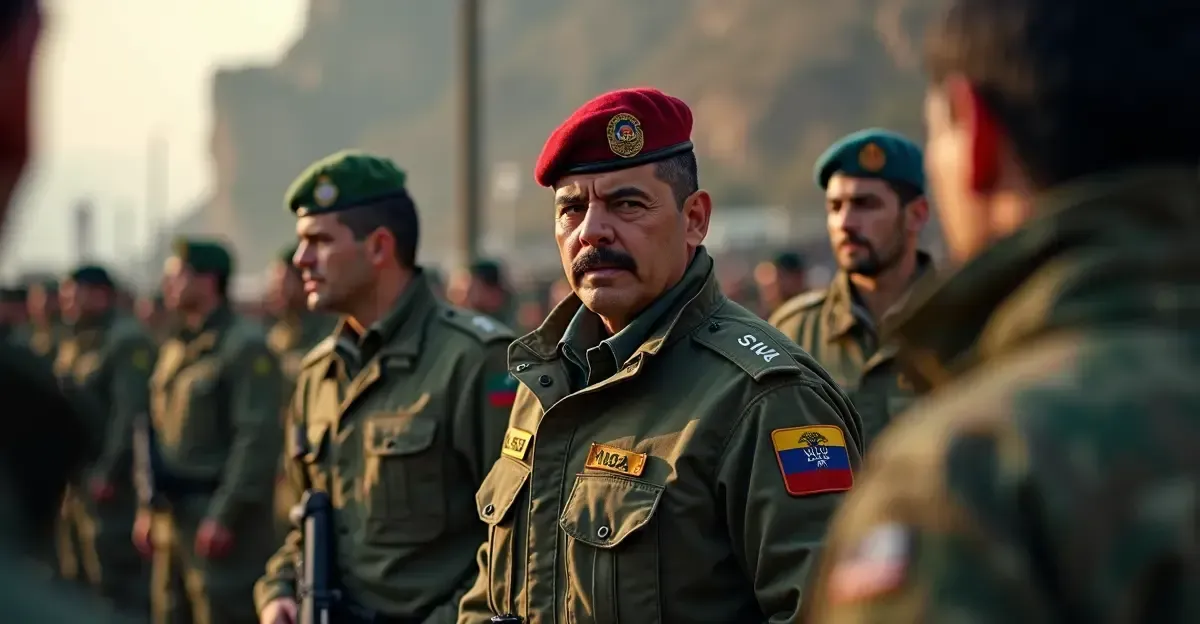
The announcement came amid ongoing tensions in the Middle East and Latin America, following the capture of Venezuelan President Nicolás Maduro in January 2026 and the subsequent blockade of Venezuelan oil. The US foreign policy shift 2026 has been widely anticipated by political analysts.
Context: A Nation at a Crossroads
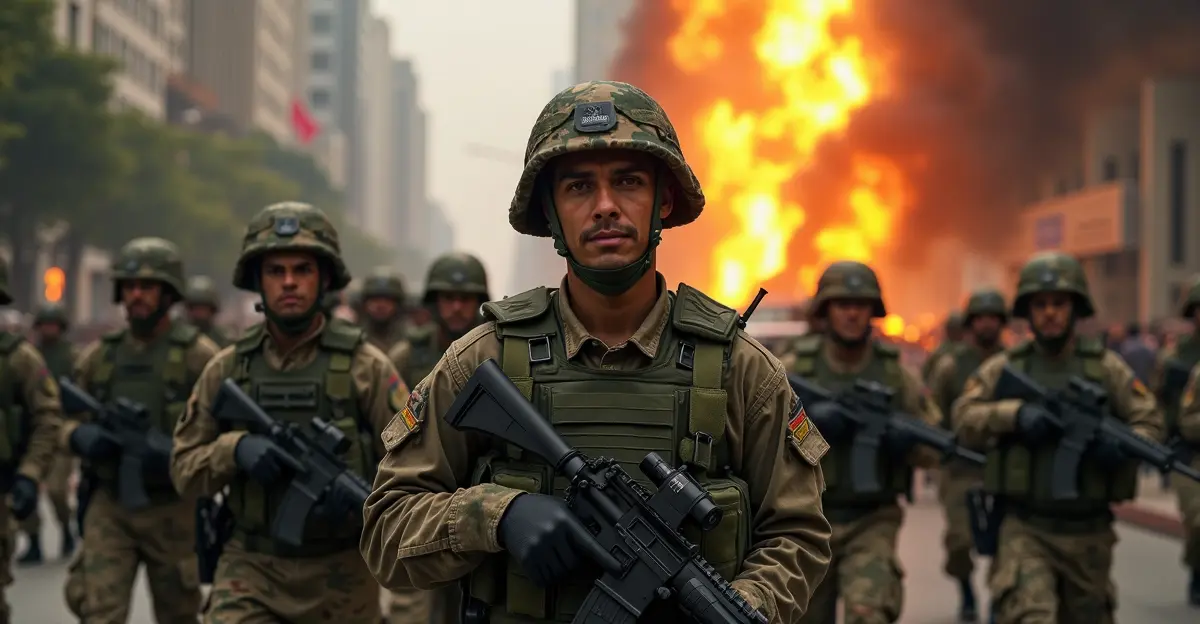
The 250th anniversary of the Declaration of Independence on July 4, 2026, was celebrated with grand festivities across the nation. However, beneath the fireworks lay deep divisions. The country had just emerged from a contentious election cycle, and the geopolitical landscape was fraught with challenges. The US military operation in Venezuela earlier in the year had drawn both praise and criticism.
According to Chloe Nowak, a senior political correspondent who broke the story, "The July 14 Declaration is not just a policy document; it is a philosophical reorientation of American power. It acknowledges that the era of unilateral military action is over."
The Key Provisions of the Declaration
- Diplomatic Primacy: All military engagements must first exhaust diplomatic channels, with mandatory 90-day negotiation periods before any deployment.
- Climate Security: Climate change is now classified as a national security threat, triggering inter-agency cooperation with the Department of Defense.
- Tech Diplomacy: A new Office of Technology and Security will oversee AI and cybersecurity agreements with allies.
- Humanitarian First: US foreign aid will be restructured to prioritize health and education over military financing.
Reactions and Implications
The declaration has drawn mixed reactions. NATO allies have cautiously welcomed the emphasis on diplomacy, while some Republican lawmakers have criticized it as a sign of weakness. Senator Tom Cotton (R-AR) called it "a dangerous retreat from global leadership."
Internationally, the European Union issued a statement supporting the move, while China and Russia have remained silent. The 2026 global geopolitical shifts are being closely monitored by think tanks worldwide.
What This Means for Ongoing Conflicts
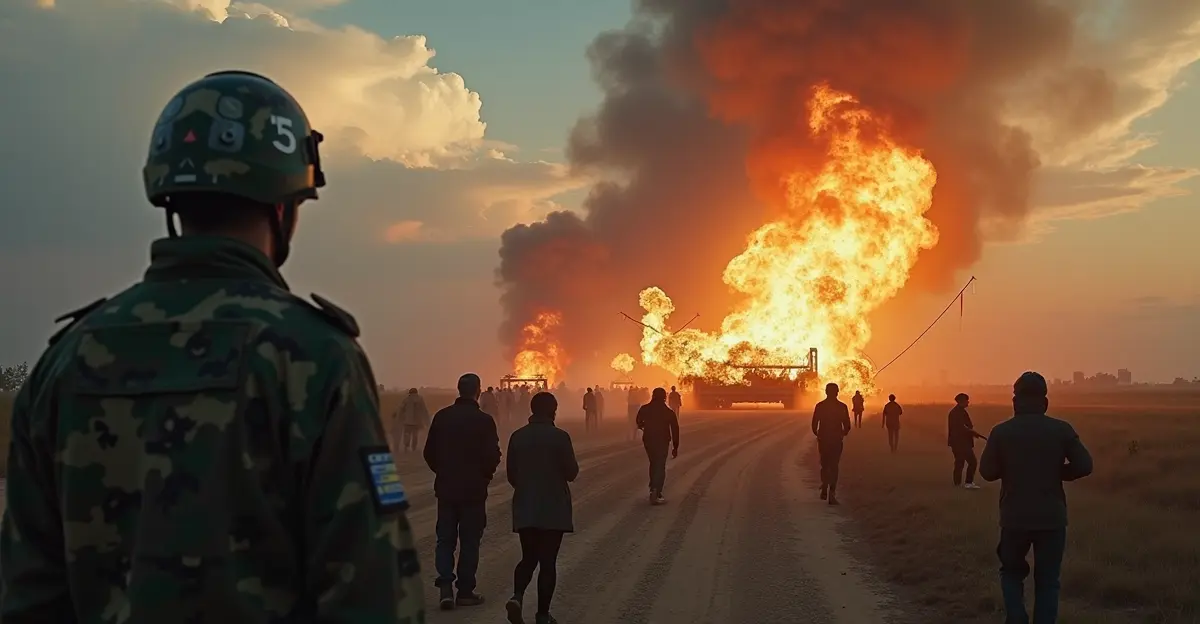
The declaration directly impacts the US posture in the ongoing Yemen conflict and the Syrian civil war. In Venezuela, the transition government under Delcy Rodríguez has expressed cautious optimism. The Venezuela crisis 2026 impact continues to evolve as oil markets adjust.
Economic analysts predict that the shift could lead to a decrease in defense spending by 5-7% over the next fiscal year, redirecting funds to climate resilience programs. The stock market reacted with a slight dip in defense stocks but a rally in renewable energy shares.
FAQ
What is the July 14 Declaration?
It is a new US foreign policy doctrine announced on July 14, 2026, emphasizing diplomacy, climate security, and humanitarian aid over military intervention.
Why was it announced on July 14?
The date was chosen symbolically, ten days after the 250th Independence Day, to signal a new chapter in American history.
How does this affect US allies?
NATO and Pacific allies have received reassurances of continued support, but with a greater expectation of burden-sharing.
Will US troops be withdrawn from conflict zones?
Not immediately, but future deployments will require stricter justification and congressional approval.
Who is Chloe Nowak?
Chloe Nowak is the senior political correspondent who first reported on the declaration, known for her in-depth coverage of White House policy shifts.

Follow Discussion